
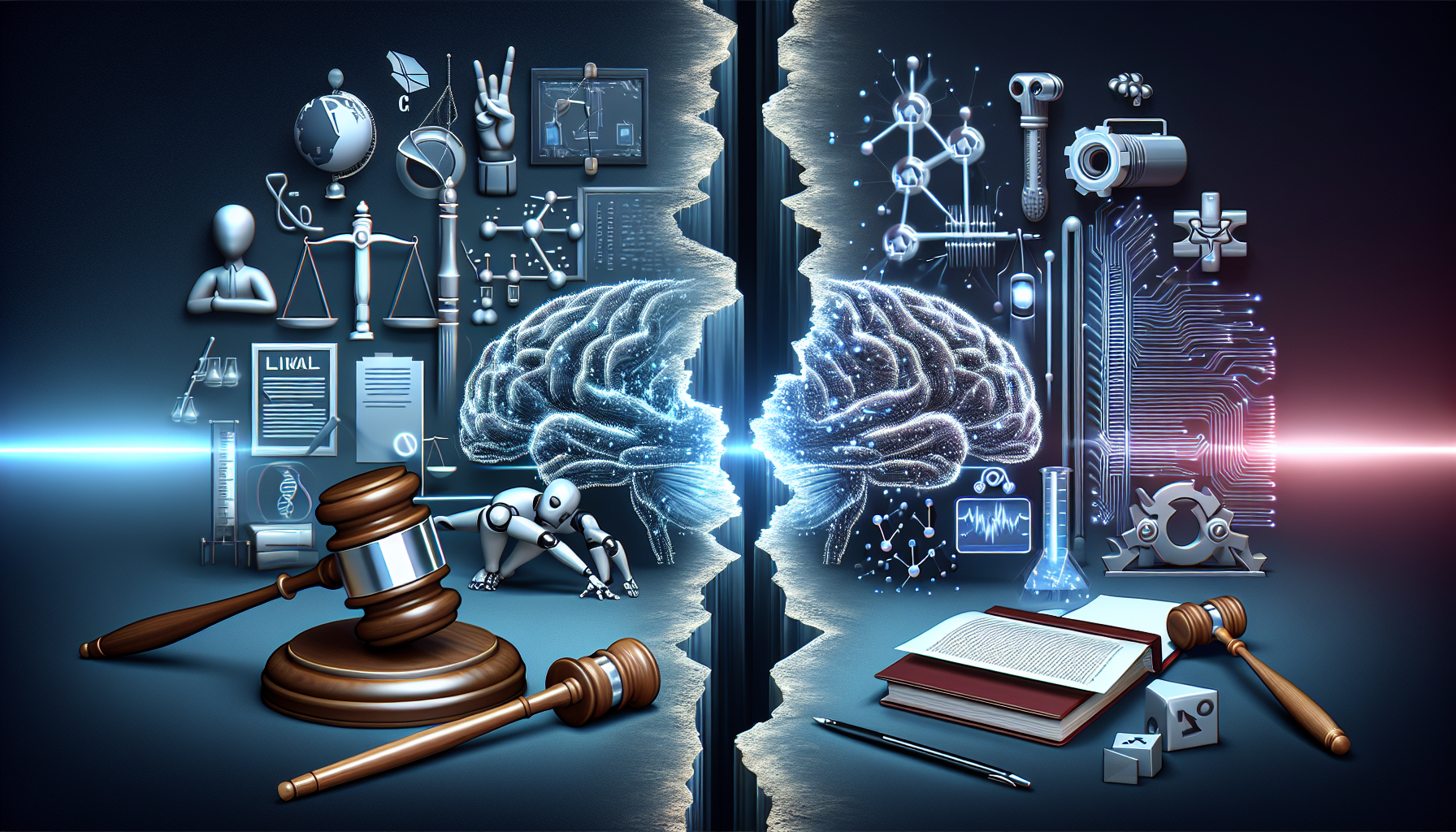
AI is advancing at an unprecedented pace, but regulation is struggling to keep up. This has created a growing divide between innovation and oversight, raising important questions about the future of technology.
On one side, companies are pushing the boundaries of what AI can do. New models, tools, and applications are being developed at a rapid rate. The competition is intense, and the incentives to move quickly are strong.
On the other side, regulators are trying to understand and manage these developments. But the complexity of AI makes this a difficult task. Laws and policies often lag behind technological progress, creating gaps in oversight.
This divide has significant implications. Without effective regulation, there is a risk of misuse, bias, and harm. But overly restrictive policies can stifle innovation and limit the potential benefits of AI.
Finding the right balance is challenging. It requires collaboration between governments, companies, and researchers. It also requires a deep understanding of both the technology and its impact.
One approach is adaptive regulation, where policies are designed to evolve alongside technology. This allows for flexibility while still providing safeguards.
Another approach is industry self-regulation, where companies take responsibility for ethical practices. However, this relies on trust and accountability, which may not always be sufficient.
The reality is that there is no simple solution. The pace of AI development is unlikely to slow down, and the need for effective regulation will only increase.
The challenge is not just keeping up with AI — it’s staying ahead of it.
Because in a world where technology moves faster than laws, the consequences can be unpredictable.
But that is just what I think, tell me what you think in the comments down below and please give the blog the like button.
Leave a Reply