
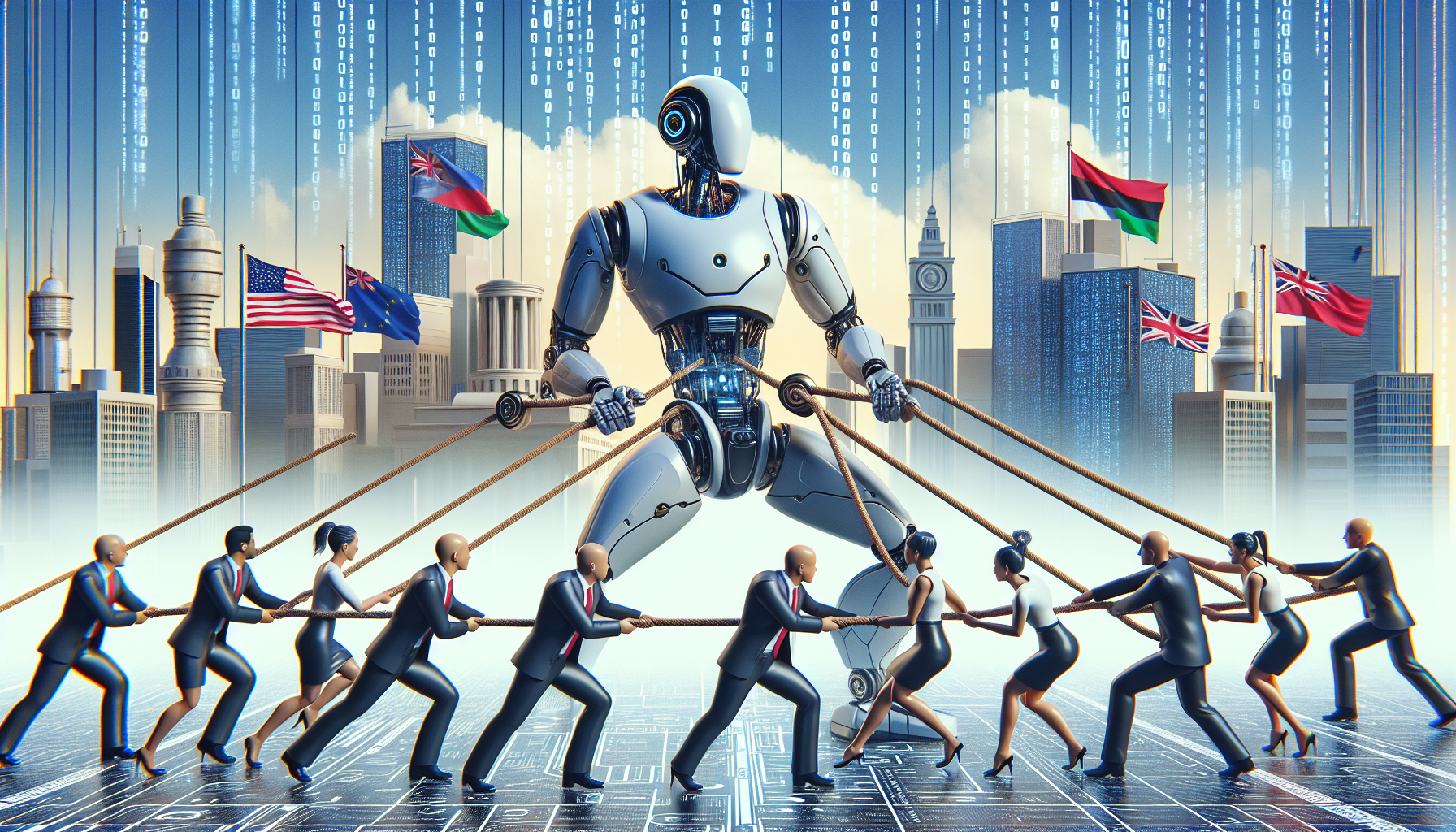
Everyone agrees artificial intelligence needs rules.
The problem is… nobody agrees on what those rules should be.
Governments around the world are scrambling to regulate AI while the technology evolves faster than legislation can keep up.
And that’s creating a complicated global policy puzzle.
Different Countries, Different Priorities
Some governments are focused on safety and ethics.
Others prioritize innovation and economic growth.
This leads to wildly different approaches.
For example, one country might heavily restrict AI development, while another encourages rapid experimentation.
Companies operating globally must navigate all of these rules simultaneously.
The Technology Is Moving Too Fast
Another challenge is speed.
AI systems are improving every few months, but legislation often takes years to pass.
By the time a law is finalized, the technology it regulates may already look completely different.
The Risk of Overregulation
Some experts worry that strict regulations could slow innovation.
Startups may struggle to comply with complex rules that large tech companies can easily afford.
This could unintentionally concentrate AI development in the hands of a few major players.
The Global Coordination Problem
Unlike industries like aviation or nuclear power, there is no single international framework governing AI.
That means regulations will likely evolve unevenly across countries.
And until governments coordinate their policies, the rules of artificial intelligence will remain… complicated.
Leave a Reply