
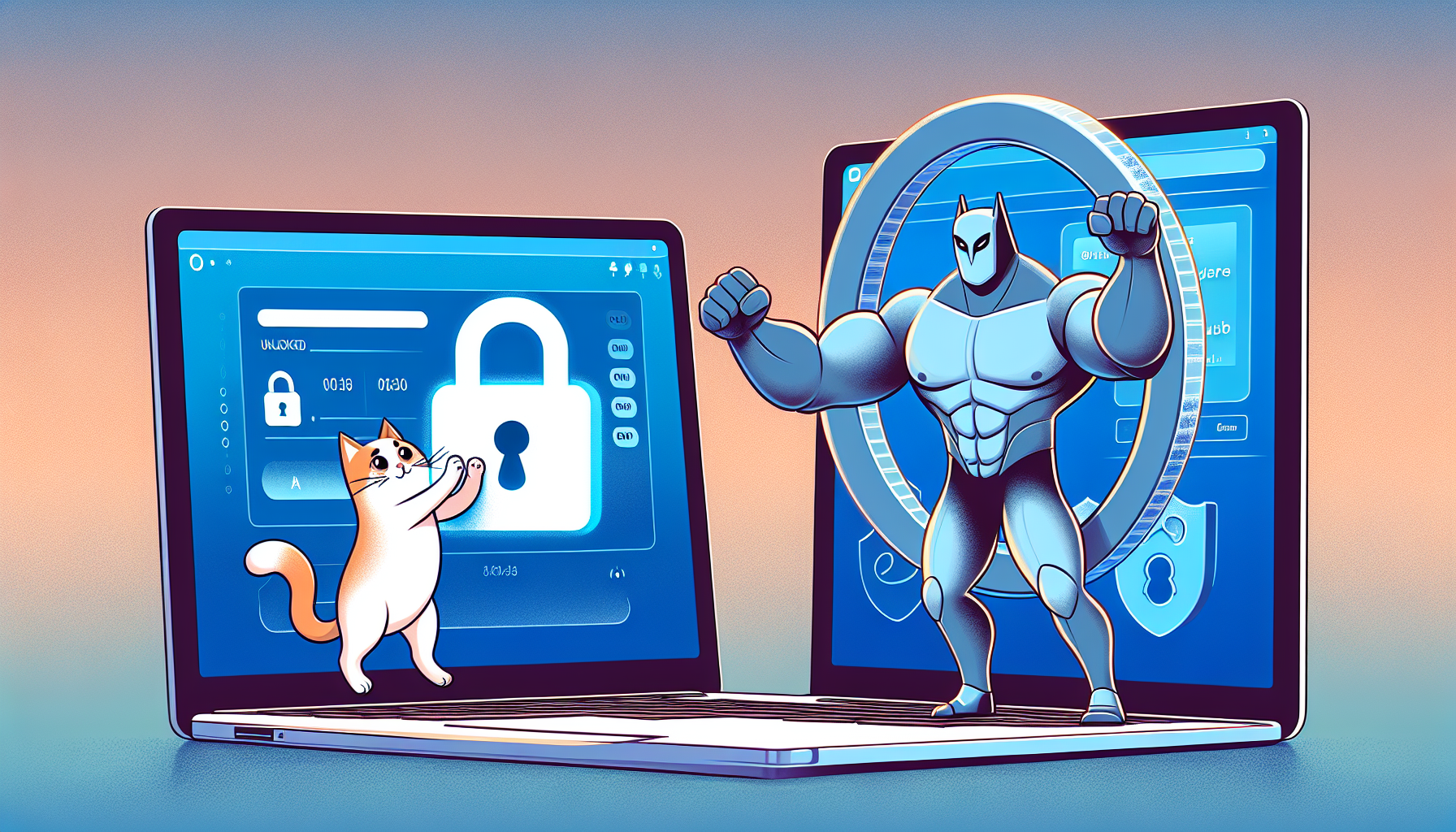
In the sprawling digital landscape of today, using your pet’s name as your go-to password might make you an easy target for cybercriminals. The world of cybersecurity is evolving at a pace faster than your WiFi connection, and keeping your digital life locked tight requires more than just ‘Fluffy123’. Dive into the necessity of robust password security and discover why creativity is your new best friend in the world of online safety.
The Evolution of Password Hacking
Remember the good old days when ‘password’ was an actual password people used? Those days are long gone, my friend. Hackers have since evolved, and so have their methods. Today, breaking into an account with a weak password is as easy as a walk in the park—assuming your attacker is speed walking, of course. From brute-force attacks to clever social engineering tactics, cybercriminals have upped their game, making the need for complex passwords more critical than ever.
It’s not just about random guessing anymore. Password lists containing millions of common passwords circulate in hacker communities like high school rumors. If it’s in these lists, it’s compromised. While we might love DragonBall, using it as a password can make your account as defenseless as Yamcha. Take a hint from the cybersecurity experts and make those passwords tougher than a week-old baguette.
Building Better Passwords
Since your pet’s name won’t cut it, it’s time to devise passwords that are as inventive as your favorite sci-fi plot twist. Start with a combination of uppercase and lowercase letters, numbers, and symbols. Creating a passphrase, like a sentence or a favorite quote you can tweak, can work wonders. Feel free to channel your inner Shakespeare but with fewer vowels and more numbers, like ‘Th3W0rlD1s@St4g3’.
It’s not just about what you type; it’s also about spreading the love. By that, I mean diversification—using different passwords for different accounts. This way, compromising one won’t affect the others. It’s the cybersecurity version of not putting all your eggs in one basket, or in this case, not putting all your passwords into ‘123456’.
The Role of Technology in Password Security
In the age where smart devices outnumber people, technology plays a pivotal role in helping us manage password security better. Password managers, for instance, are not just for the forgetful—they’re a critical tool. They allow you to store, manage, and generate strong passwords while decrypting them when needed. Think of them as your personal caffeine shot for your cybersecurity.
And let’s not forget multi-factor authentication (MFA), the unsung hero of online safety. It’s the extra lock on your door, asking for a thumbprint or a secret code after you’ve used your password. Sure, it might feel like an extra step, but isn’t a little inconvenience worth the peace of mind? With MFA, even if someone sneaky cracks your password, they’ll need more than just luck and charm to break in.
In a digital age brimming with potential threats, it’s time to upgrade from the simplicity of pet names to the complexity of modern security practices. Our online well-being depends on it. But that’s just what I think-tell me what you think in the comments below, and don’t forget to like the post if you found it useful.
Leave a Reply