
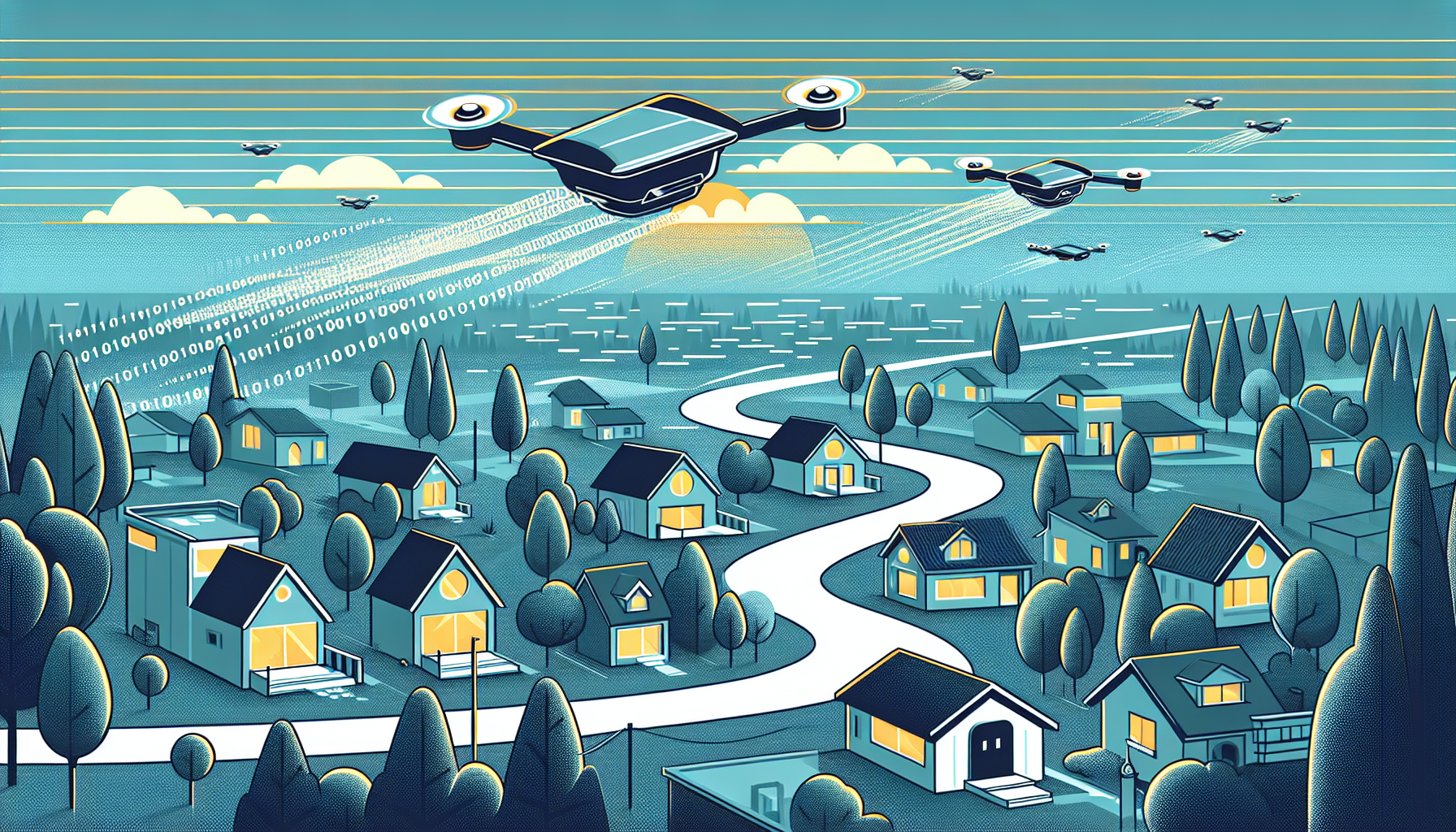
If you’ve ever felt like your local neighborhood spy is now airborne with propellers, you’re not alone. Drones are more accessible than a Netflix account and just as unpredictable. While they’re fantastic for getting sweet aerial shots of your grandma’s retirement party, they also introduce a whirlwind of privacy concerns. As these flying gadgets become more prevalent, how we balance innovation with personal privacy becomes more pressing than ever.
The Rise of the Drones
Drones, once the stuff of sci-fi and military operations, are now a household item akin to toothbrushes and mismatched socks. They’re used for everything from delivering pizzas to capturing epic wedding shots. But with great power—er, convenience—comes great responsibility. As commercial and private drone use soars to new heights, so do the ethical dilemmas. Imagine a world where your every picnic or awkward stumble in the garden could be hovered over and captured by an unseen onlooker.
The implications of these tiny airborne photographers are significant. Currently, laws and regulations struggle to keep pace with technology. Almost like herding cats, managing drone regulations is anything but straightforward. From requiring pilot licenses to imposing no-fly zones, authorities are scrambling to prevent a future where drones play hide-and-seek with your privacy. However, these regulations vary widely, leaving many areas like uncharted territory for drone enthusiasts.
Privacy Concerns and Legal Loopholes
The presence of drones raises a helicopter-load of privacy conundrums. Is your back garden still private if an uninvited flying robot suddenly drops in? One could argue that drones are the peeping Toms of modern technology, and it’s not just conspiracy theorists sounding the alarm. People are becoming more concerned about how these devices could be used to infringe on personal privacy and civil liberties.
Legal systems worldwide are in a whirlwind to prepare for these tech-fueled intrusions. Privacy laws haven’t quite caught up to accommodate our new surveillance friends. Countries differ dramatically in their approach. While some have stringent rules regarding aerial surveillance, others barely regulate them at all. It’s the wild, wild west for those flying spies, and consumers can’t help but wonder when, if ever, their concerns will be put front and center in policy discussions.
Policy, Ethics, and the Future of Drones
Arguments for more comprehensive drone policies are gaining altitude. The ethical implications are daunting; where do we draw the line between fun, utility, and violations of personal space? It seems inevitable that policies will need to evolve to protect individuals while still embracing technological advances. Perhaps legislation requiring manufacturers to include privacy-friendly features is a start, or maybe educating users about existing regulations could be helfpful.
For policymakers, it’s a balancing act of epic proportions. On one hand, they need to protect privacy rights without stifling innovation. On the other, they must ensure drones don’t morph into tools of unwarranted surveillance. Whatever direction policy takes, one can hope it addresses the many shades of gray that come with ethical drone use.
But that’s just what I think-tell me what you think in the comments below, and don’t forget to like the post if you found it useful.
Leave a Reply