
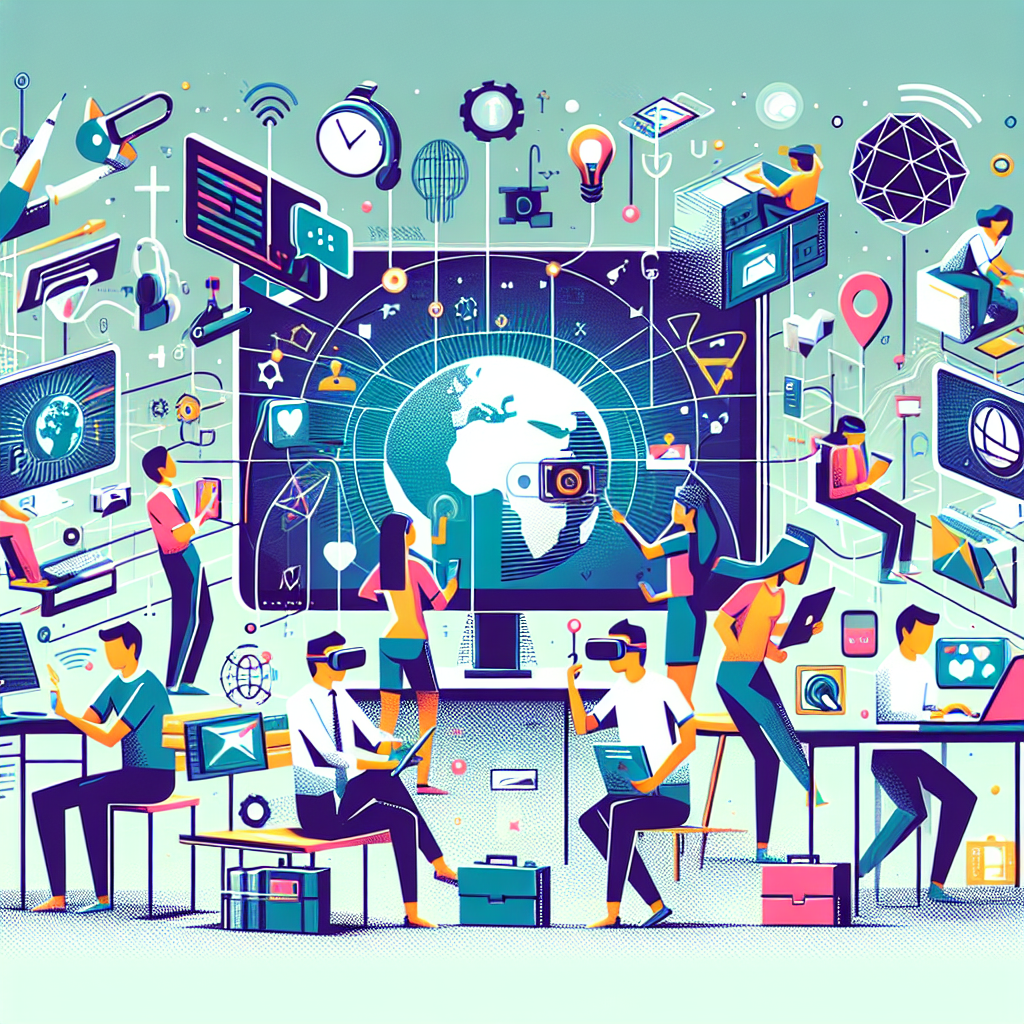
Artificial Intelligence is no longer just a sci-fi concept or a mysterious black box. It’s showing up everywhere – especially in creative fields like writing, design, music, and even cooking. But what does this mean for creative professionals? Is AI their new best friend, an annoying coworker, or a terrifying job-stealer? Spoiler alert: it’s a bit of all three. Let’s dive into this brave new creative world where algorithms meet artistry.
AI as a Creative Partner
First off, AI doesn’t have to be the villain in this story. Think of AI as that friend who’s really good at spotting patterns and offering suggestions that push your creative boundaries. Tools powered by AI can generate ideas faster than your morning coffee kicks in, helping artists, writers, and designers break through creative blocks. Imagine you’re stuck on a song lyric or a logo concept; that’s where AI steps in to throw some fresh, sometimes bizarre, ideas into the mix. While AI can never replace the genuine human touch or the messy brilliance of human creativity, it sure can inspire and speed up the process.
On the flip side, relying too much on AI-generated content can risk turning creativity into a slightly soulless assembly line. This is why the best results come with a human in the driver’s seat, tweaking, shaping, and adding personality to the AI’s suggestions. AI is the paintbrush, but the artist still decides what masterpiece to create.
Challenges and Concerns for Creative Professionals
Despite its perks, AI presents some real challenges. One big concern is job displacement. As AI tools become more advanced in generating art, music, or even written content, some worry their own work could be undervalued or replaced. Are we heading into a dystopian future where robots take over all creative gigs? Probably not quite yet, but the anxiety is real and worth acknowledging.
Another hurdle lies in issues of originality and ethics. AI learns from existing works, so when it generates content, who’s the real creator? Some argue this blurs the lines of intellectual property and even opens doors to plagiarism by accident. Plus, there’s the risk of bias embedded in AI models which can skew creative outputs in unexpected ways. Understanding and managing these challenges is crucial for anyone working with AI in creative industries.
The Future: Collaboration Over Competition
The good news is that AI isn’t here to steal the creative spotlight. Instead, the future looks more like a tag team match where AI handles the tedious or repetitive tasks, letting humans do what they do best: innovate, empathize, and break the mold. This means AI could democratize creativity by giving everyone access to powerful tools, from hobbyists to professionals.
As AI continues to evolve, creators will need to adapt and learn how to harness it effectively. Think of it as learning to ride a new wave instead of fighting it. The savvy creative professionals of tomorrow will be those who integrate AI into their workflow, using it to amplify their strengths rather than fear it. After all, a little robot sidekick never hurt anyone, especially when it comes to getting those ideas flowing.
But that’s just what I think-tell me what you think in the comments below, and don’t forget to like the post if you found it useful.
Leave a Reply