
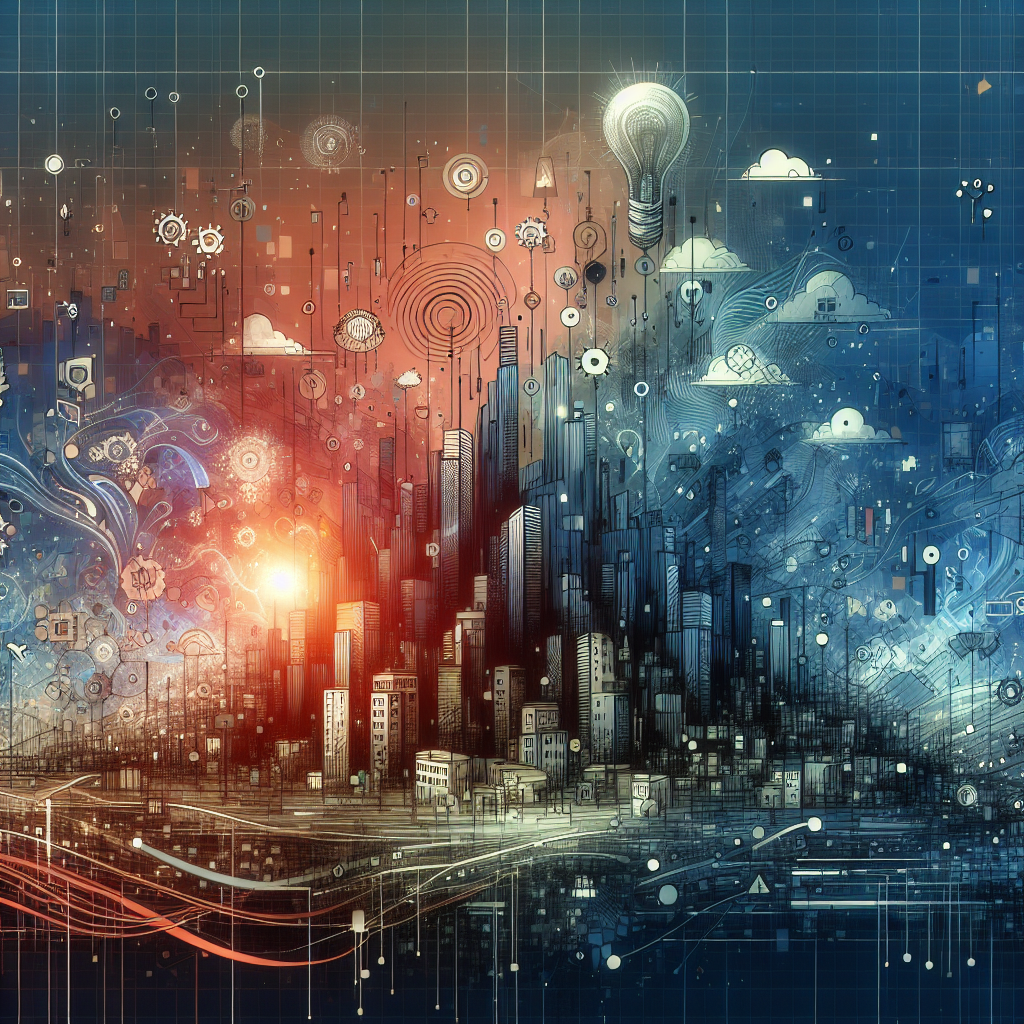
When you think of AI, the first image might be a robot with blinking lights calculating math or commanding sci-fi spaceships. But what happens when AI decides to pick up a paintbrush or scribble a poem? AI in creative arts is not just a quirky experiment; it’s reshaping how we think about creativity, originality, and sometimes, whether a machine can be funny. Let’s delve into how AI cracks open the creative toolbox and what this means for humans who thought they had a monopoly on imagination.
How AI is Learning to Paint and Sketch
Artificial intelligence systems are no longer confined to number crunching; they are now trained to create visual art that can rival, or at least parody, human paintings. Leveraging generative adversarial networks (GANs), AI can analyze thousands of art pieces, learn styles, and then produce new work that looks like it came straight out of an art gallery. There’s a hilarious side effect though: sometimes AI’s creations look like art made by a very eccentric alien with a fondness for random shapes and colors.
Despite the occasional abstract oddity, these systems are helping artists push boundaries by suggesting unexpected patterns or color schemes. The collaboration feels a bit like painting with a partner who occasionally throws splashes of paint in surprising places but, surprisingly, makes the final painting more interesting. This AI artistry challenges the traditional idea that only humans can create meaningful art.
AI Writers: When Your Computer Starts Telling Stories
If you thought AI telling stories was just a sci-fi cliché, think again. Programs that generate text have taken massive strides. They can now write poems, scripts, and articles faster than you can say “once upon a time.” However, some of these AI-written tales have a quirky charm—strange plot twists, unusual character names, and occasional wisdom wrapped in confusion. It’s like a storyteller that had too much coffee and no filter.
Writers and content creators are beginning to use AI as a brainstorming buddy. Need a plot idea or a joke? The AI’s got your back. But it also raises questions about originality and ownership. When a story is born in part from a machine’s algorithm, does it still belong purely to the human author? AI writing is shaking up the literary world in the same way the typewriter once did—with a mix of excitement and existential dread.
Creative AI and the Future: Friend or Foe?
So, where is all this AI creativity headed? Will robots replace artists, or are they just new tools in our creative arsenal? The future looks like a collaboration playground. AI can handle repetitive tasks or generate novel suggestions, freeing humans to focus on the emotions and deeper meaning in creative projects. However, it’s clear AI is still learning the subtlety of humor, nuance, and soul—basically all the stuff that makes art feel alive.
The friendly robot artist will likely become a regular presence in studios and on screens. But if it starts developing a snarky personality, we might need to keep one eye on it. For now, AI is more of a wild card than a tyrant, blending its computational power with human messiness to create something new and unpredictable.
Creativity is evolving, and AI is helping to remix the playlist. How we embrace this change will shape the art world for years to come.
But that’s just what I think-tell me what you think in the comments below, and don’t forget to like the post if you found it useful.
Leave a Reply